Vermeer’s Love Letters at the Frick
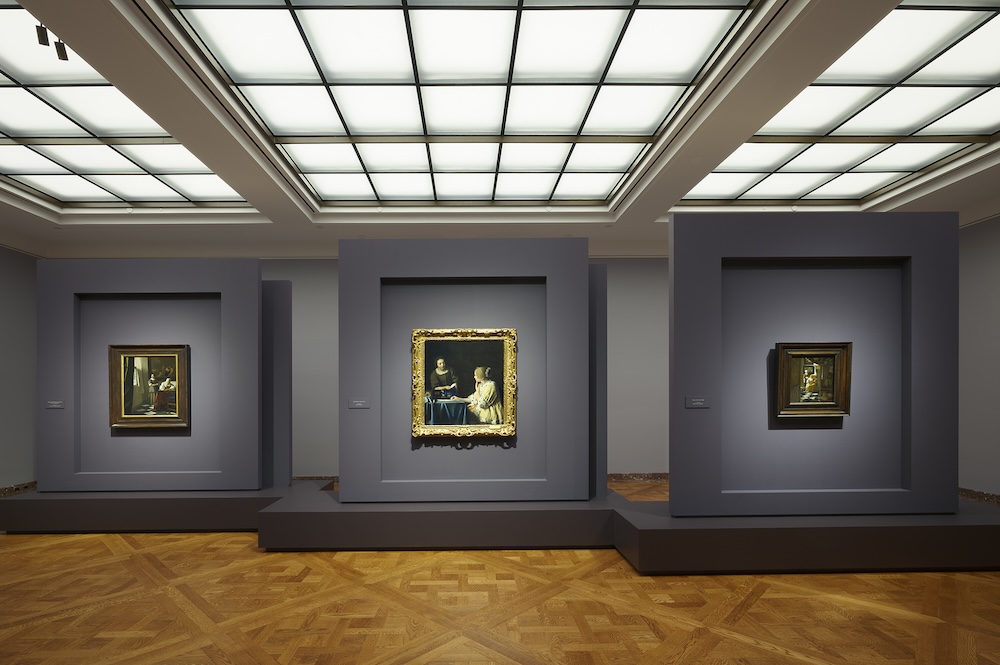
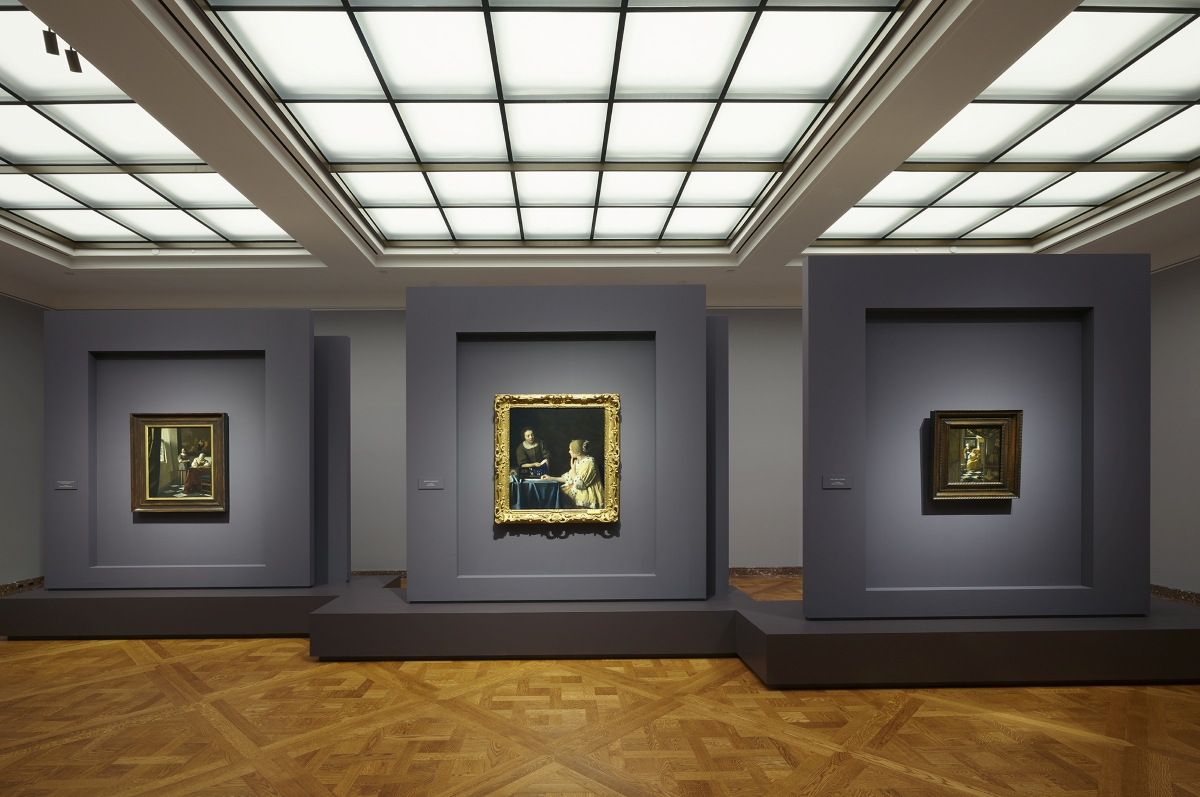
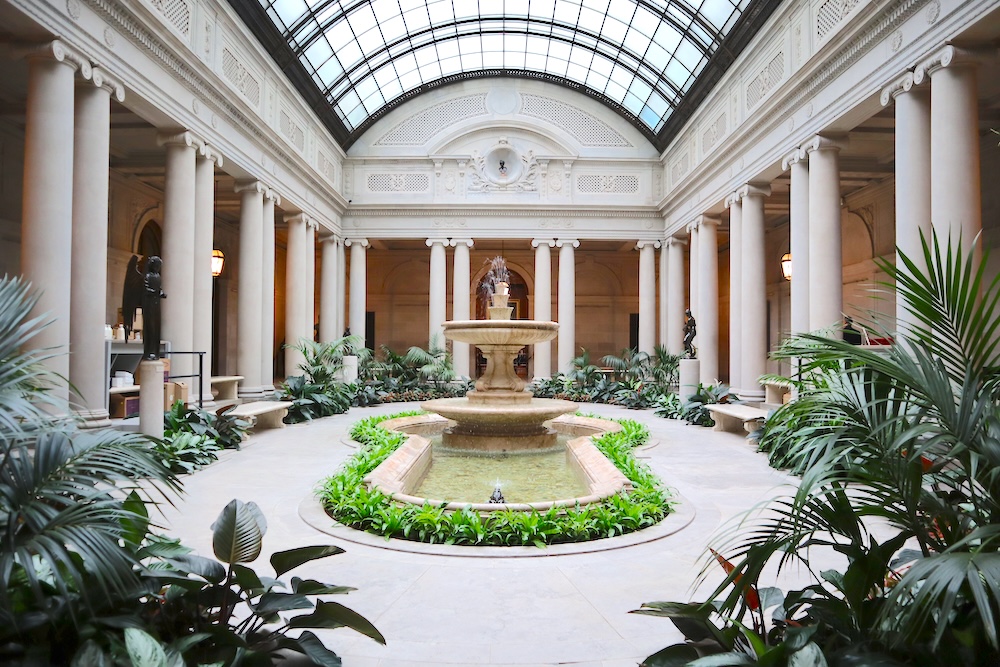
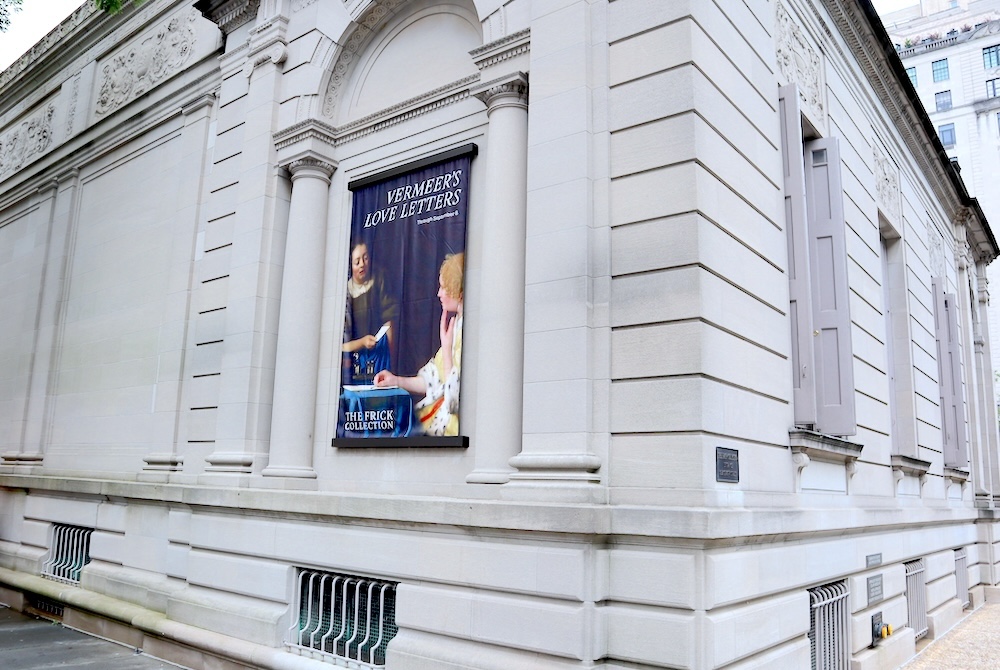
Whenever my mother was in town and the weather uncooperative, she might say to me, “Shall we go visit our friends at the Frick?” It was her favorite museum in Manhattan, just as it is for so many others—and now the Frick is back, and better than ever after a $330 million refurbishment of its original home, with an inaugural exhibition featuring a triptych of Vermeer’s Love Letters.
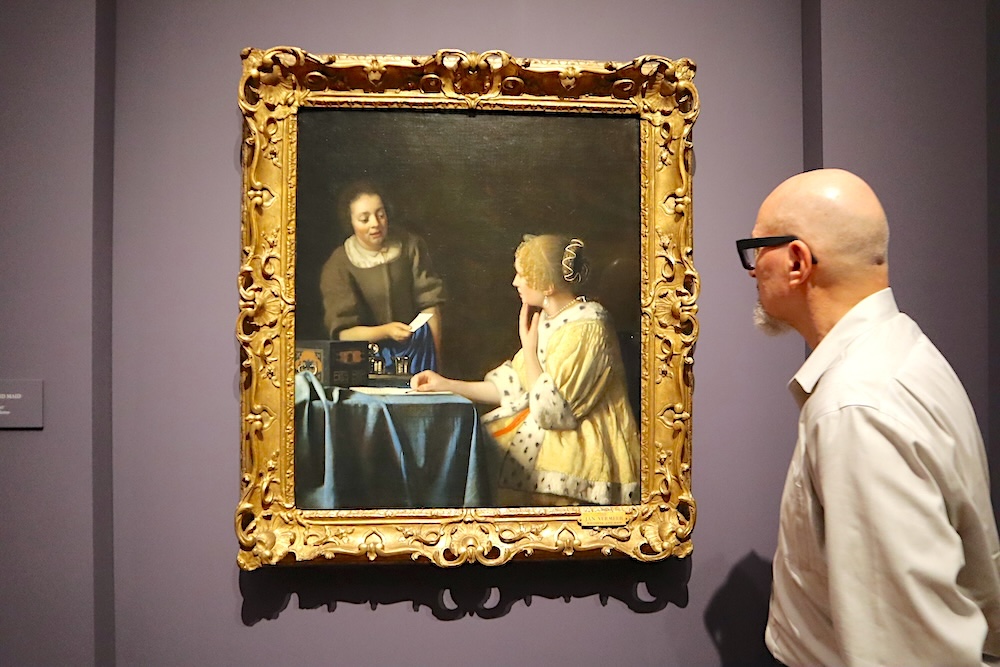
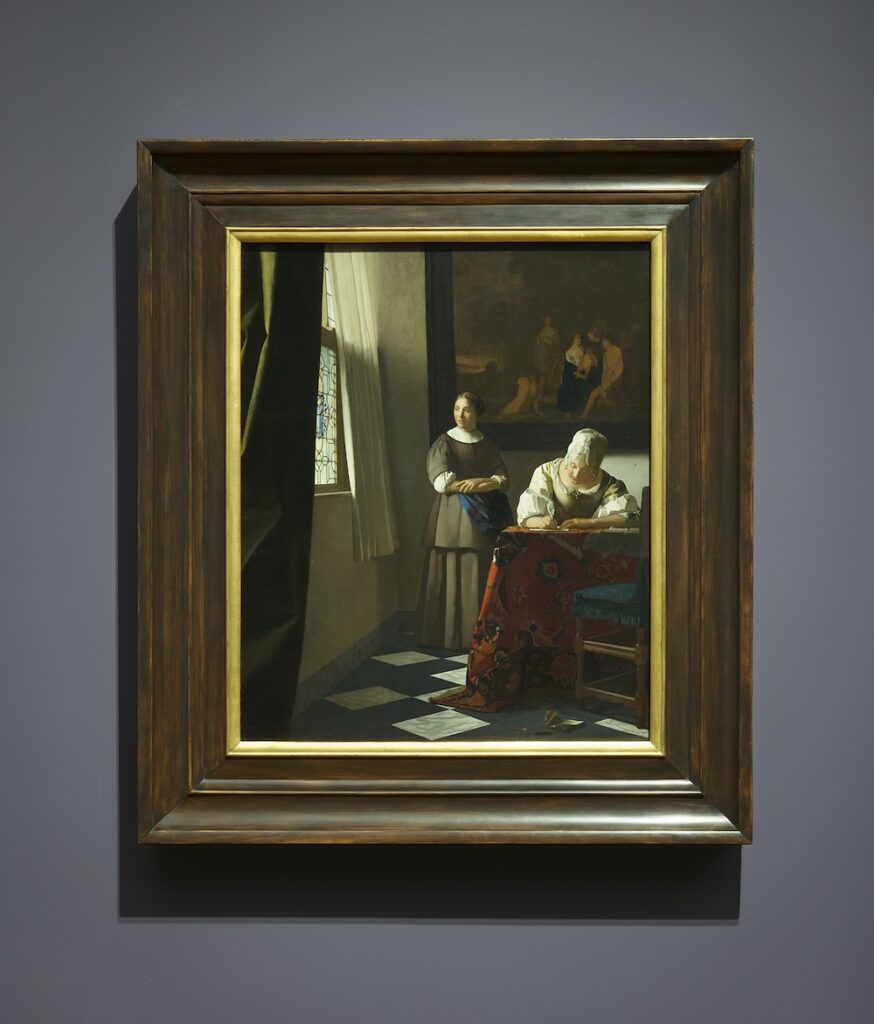
The three paintings by Dutch master Johannes Vermeer are united for the first time in a single gallery, thanks to special loans of the Rijksmuseum’s Love Letter and the National Gallery of Ireland’s Woman Writing a Letter with Her Maid. The two paintings on loan flank the Frick’s own Mistress and Maid, which is one of three Vermeers in the permanent Frick Collection.
Vermeer’s Love Letters is the first exhibition to be held in the Frick’s new special exhibition galleries, and the spacious gallery offers visitors a unique opportunity to view the close bonds between the three Vermeers. Of the nearly three dozen Vermeer paintings that survive in various museum collections around the world, six of them are focused on the exchange of handwritten letters.
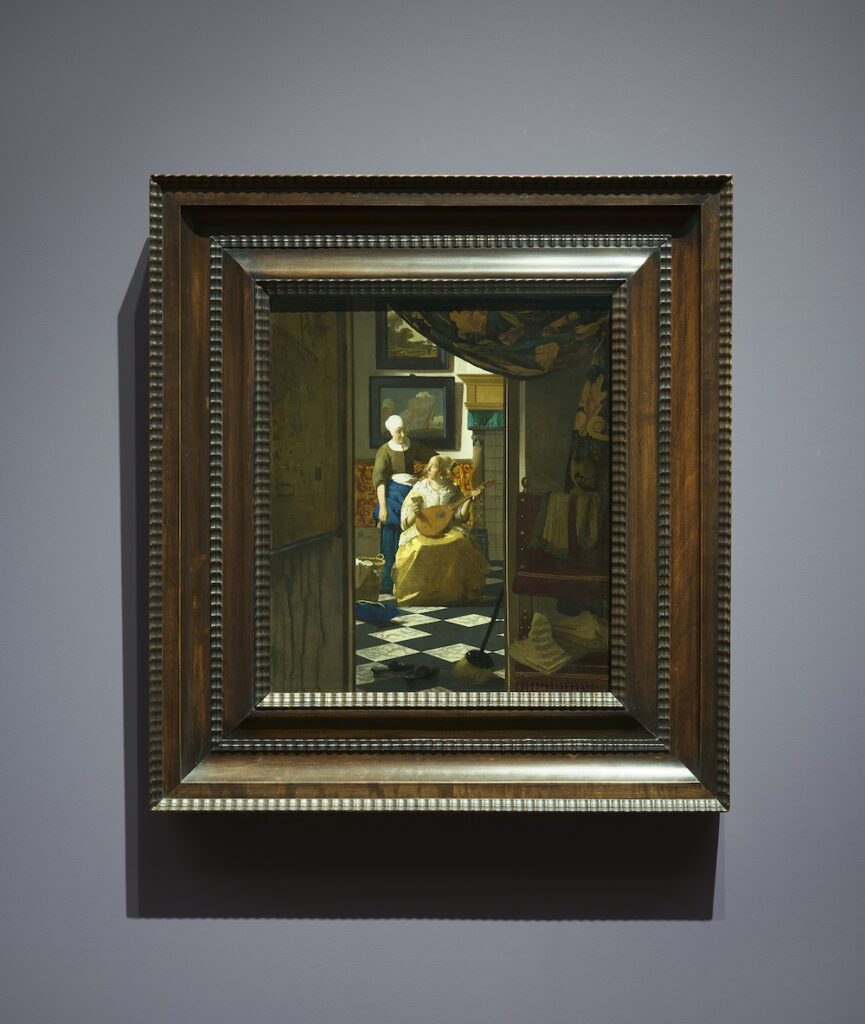
In showcasing these three Vermeers alongside each other, viewers are offered an implicit narrative that speaks about the interior lives of both the mistress and her maid, as well as the depiction of women of different social classes. There’s a subtext in each of the paintings that fuels the literary and cinematic imagination, and it’s easy enough to envision the backstories to these paintings coming alive via the pages of a novel or a period film.
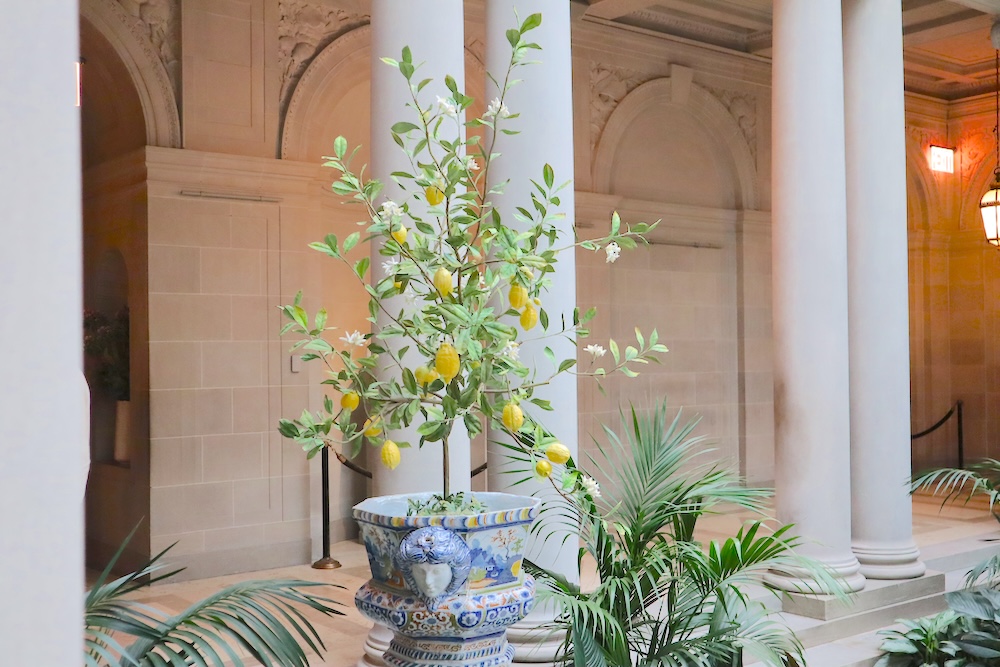
Equally impressive and remarkable is the installation Porcelain Garden by Vladimir Kanevsky, an artist who has filled the Frick’s galleries with breathtaking porcelain bouquets of extraordinary flora which correspond to the actual floral bouquets that were displayed throughout the museum at the Frick’s original opening in 1935. The Ukrainian-born artist views his porcelain sculptures as an installation that coexists with the paintings and the sculpture of the Frick Collection.
But, of course, what makes the Frick so warm and welcoming are all the friends who live there full-time. Everyone has their favorites, and many have written about them, including numerous writers who contributed to the volume The Sleeve Should Be Illegal. The title is a reference to the lushness of the crimson velvet in the Holbein portrait of Sir Thomas More, one of my favorite Frick friends who has returned to his position alongside Thomas Cromwell.
It was equally joyful to see again Lady Peel and Pietro Aretino, as well as the Genoese Noblewoman and the Comte Robert de Montesquiou-Fezensac. As for the Comtesse d’Haussonville (who, incidentally, was the subject of the Frick’s first show built around a single work of art), she now reigns supreme in the upstairs Walnut Room, and her dress is even more sumptuous than you might recall.
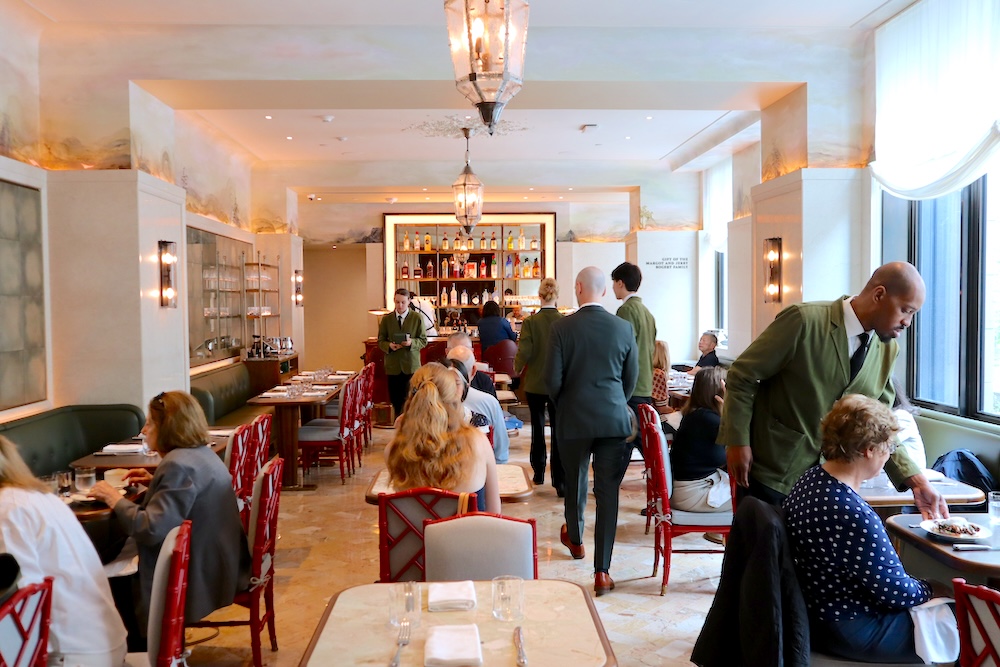
You can toast to all your favorite Frick friends while dining in Westmoreland, the Frick’s new café named for the Frick family’s private Pullman car. As for Vermeer’s Love Letters, the exhibition will remain open through 31 August 2025.



Comments are closed.
Mark, thank you for the wonderful “tour.” I’m looking forward to visiting the Frick in person.
OMGoodness, you’re the best; thank you for reaching out — and especially today, given that it’s Julie’s b’day, and I was just texting her, while she’s driving through Gotham. Heavens, why aren’t the three of us cocktailing atop some penthouse together????